Nova D1

A multi-tool you build yourself.

A Raspberry Pi Pico 2 W pocket multi-tool that runs RPCortex: a 128×64 OLED UI driven by a rotary + buttons, LoRa messaging, NFC, GPS, sub-GHz, infrared, WiFi/BLE, and a web control panel for your phone, all from off-the-shelf modules. This page tracks the build as it goes.
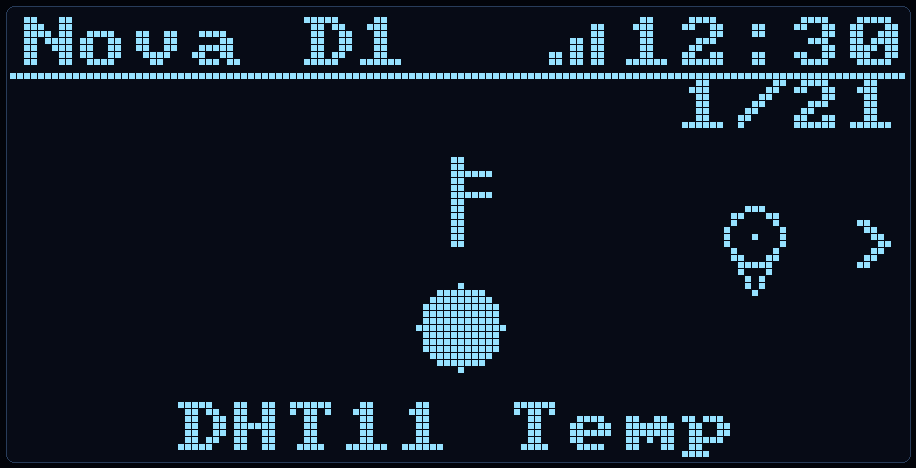
The Nova D1 home screen on its OLED

Rotary encoder and buttons, as on the device

Screens

The interface

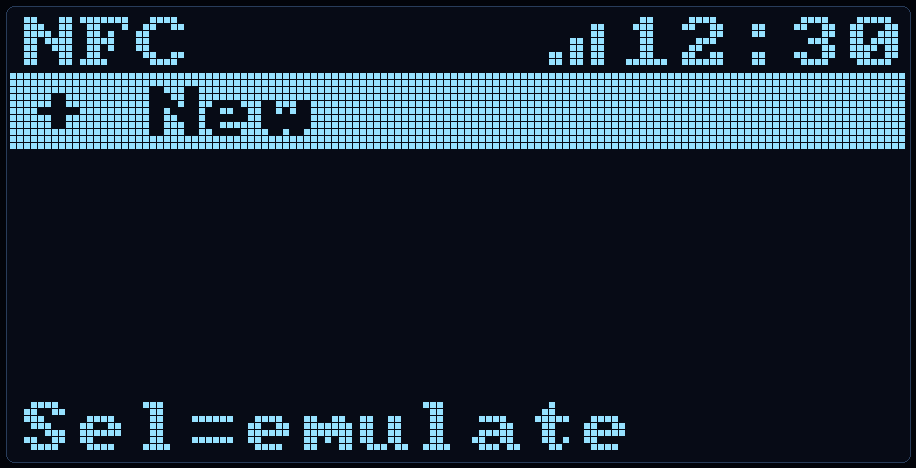
The 128×64 OLED, driven by a rotary encoder and its buttons. These are real renders of the actual UI, and you can drive it yourself in the browser.
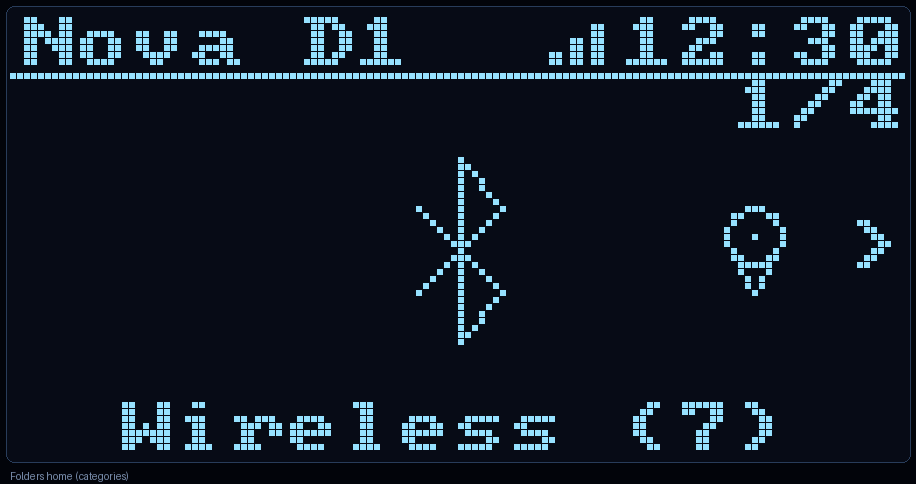
Nova D1 home: category folders
Home: apps organised in folders
NFC app
NFC: scan & save cards (Flipper .nfc)
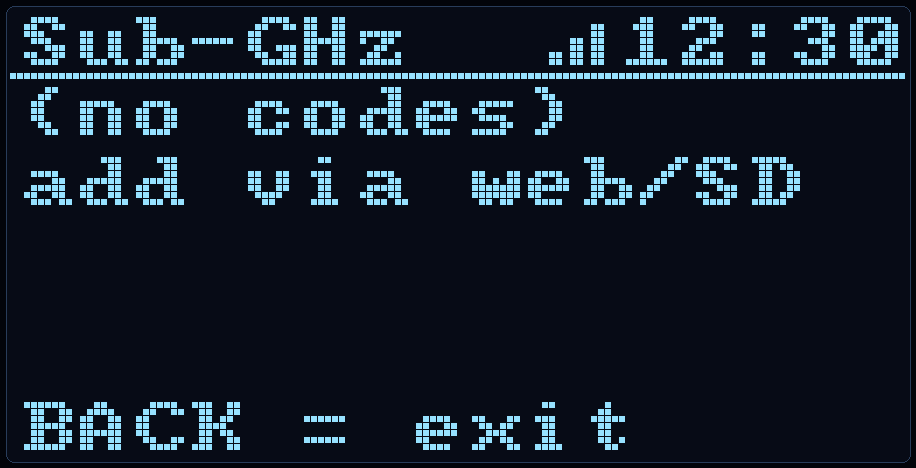
Sub-GHz app
Sub-GHz: save & replay codes (Flipper .sub)
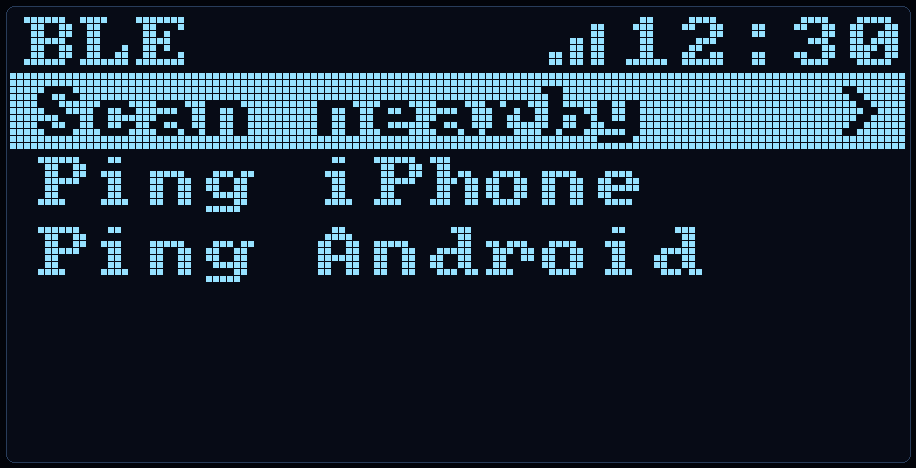
BLE app
BLE: scan & ping nearby devices
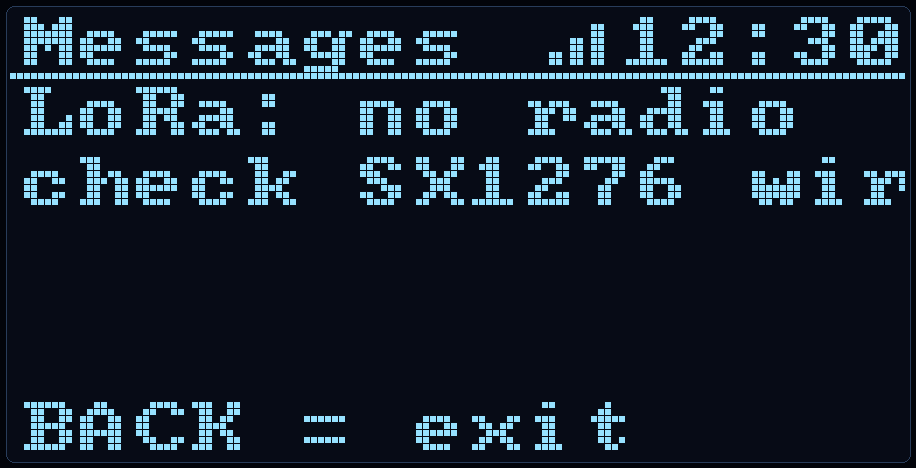
LoRa messages app
Messages: encrypted LoRa P2P
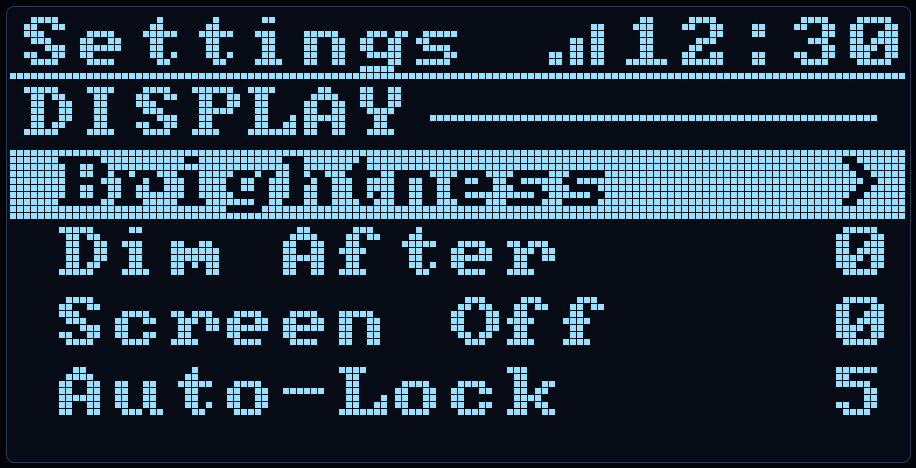
Settings
Settings: grouped, on-device
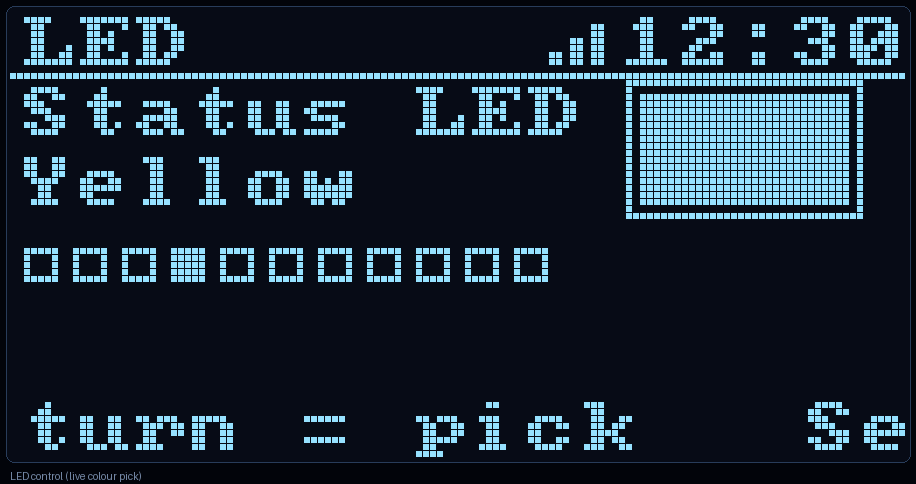
LED control app
LED: live colour control
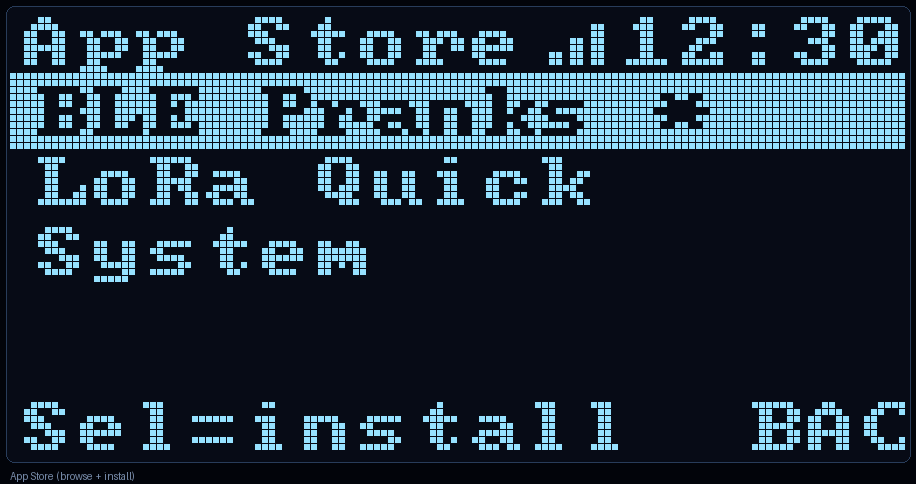
App Store
App Store: browse & install apps
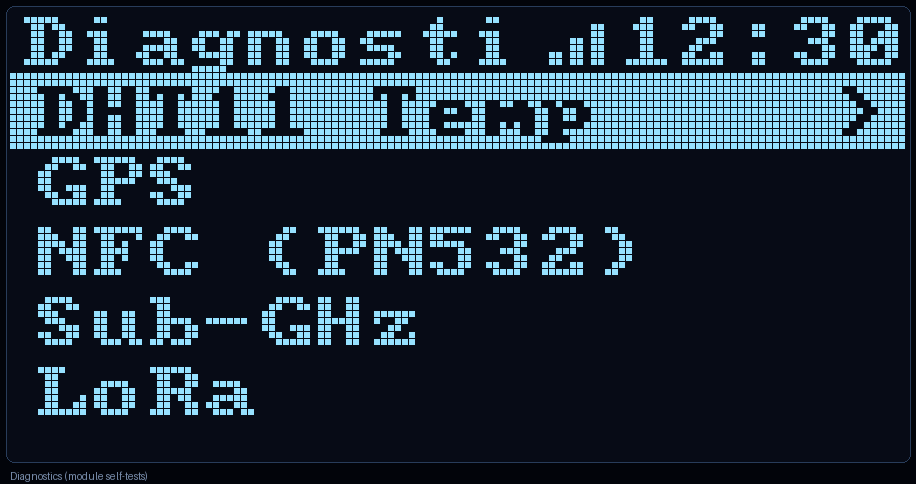
Diagnostics
Diagnostics: module self-tests

▶ Open the live simulator

Status

Build progress

What is left, on the operating system first and then on the Nova D1 itself. The percentage counts each item as done, half done or not started; “board test next” means it works and is tested on a computer, and is waiting to be tried on hardware.

done done · board test next partial next later

RPCortex v2

72%

The operating system the Nova D1 runs on, in C++ for the Pico family.

11 of 18 done · RPCortex roadmap

Still to do

Pico, Pico W and Pico 2 images: built and tested on a computer, not yet run on those boards partial
Bluetooth Classic: inquiry works on a Pico 2 W; audio to a speaker is written and tested on a computer, not yet on hardware partial
SD cards: written and tested on a computer, not yet with a real card partial
USB HID: the keyboard and BadUSB scripts work; U2F security keys are still to come partial
The rest of v1’s packages in the v2 repository next
A first stable (non-beta) v2 release later
ESP32-S3 and the other ESP32 boards later
Done (11)
Runs natively on the Pico 2 W, with no interpreter underneath done
Shell: pipes, &&, redirection, scripts, aliases, ~, Tab and history done
Packages loaded at runtime, run from flash, sandboxed on the RP2350 done
Accounts, and sudo with the admin’s own password for system changes done
Wi-Fi, HTTPS, the package repository, and updates over the air with rollback done
SSH in and out, with Ed25519, ECDSA and RSA keys done
Tools for the computer: RPCortex Studio (a full-screen app and the rpc command) and a browser tool, and a board with no network of its own can use the computer’s done
A USB drive for dragging files on and off done
Recovery: a device that fails to start repairs itself done
Images built with only the features a board needs done
Bluetooth LE scanning done

Nova D1 on RPCortex v2

56%

The novad1 package: the GUI, its apps and its radios.

9 of 18 done · Nova D1 on RPCortex v2

Still to do

Vendor names beside the radios it lists (the table is done, the screens are not) partial
On a board running v2: the screen and knob work (Nova D1 1.8.0); the radio modules are not wired yet partial
IR: capture, decode, replay, and a universal remote next
Bluetooth: advertisement details, tracker detection, presence in the background next
A livelier simulator: scans, files, settings and the clock next
LoRa mesh messaging with encrypted channels later
Notification haptics and buzzer tunes later
Stealth: a kill switch and MAC randomisation later
A control panel on your phone later
Done (9)
Installs with pkg install novad1 and runs from a flash slot, about 80 KB resident done
Runs on a bare Pico 2 W, drawing to a framebuffer done
The browser simulator: the same C++, compiled to WebAssembly done
Six built-in apps, TOTP included done
Flipper .sub, .ir and .nfc files, read and written byte for byte done
Sub-GHz library: capture, save, replay, frequency presets done · board test next
NFC: read, dump and save cards done · board test next
Wi-Fi scan of every network, and a WiGLE wardrive done · board test next
GPS: position, waypoints, and setting the clock from the satellites done · board test next
The earlier build: Nova D1 on RPCortex v1 (MicroPython)

The MicroPython build for RPCortex v1, confirmed module by module on hardware. The C++ build above is a port of the same screens.

Core platform verified

OLED UI · rotary + 3 buttons done
Animated icon gallery · screen-off · PIN lock done
All peripheral test apps (on hardware) done
Notifications + top-bar bell done

Wireless radios

WiFi scan / background connect done
Bluetooth LE scan done
LoRa P2P messaging (SX1276) done
LoRa mesh routing (Meshtastic-style) later
GPS live coordinates (NEO-M8N) done

Phone control web panel

Web panel: status · apps · shell done
WiFi onboarding from your phone done
Messages synced web ↔ device done
Bluetooth bridge (web-Bluetooth) next

RF & signals

NFC read (PN532, 13.56 MHz) partial
Infrared receive + send done
IR record / replay library next
Sub-GHz capture / replay (CC1101) next
125 kHz RFID fob cloning needs hardware

Scripting & apps

RPCortex package manager done
Python script API (nova.*) next
Button-grid script apps (IR remote, LoRa) next
Downloadable Nova-UI apps later

Sensors & storage

MicroSD (mount, store scripts/data) done
DHT11 temp/humidity · status LED · buzzer done
Battery / USB power icons done
RTC + auto NTP time sync done

USB & HID planned

HID controller (keyboard / mouse) later
BadUSB (scripted keystrokes) later
U2F security key later
125 kHz RFID scanning needs hardware

USB HID (keyboard, BadUSB) is built into RPCortex v2 for the Pico's USB port and is host-tested; 125 kHz needs an LF module.

Built on RPCortex · installable as the novad1 package · from about $20 in off-the-shelf modules.

Reference

Docs, specs & tools

Everything Nova D1 in one place: the build guide, the Flipper compatibility map, the roadmap, and the design specs.

Runs on RPCortex · packages: RPCortex-repo